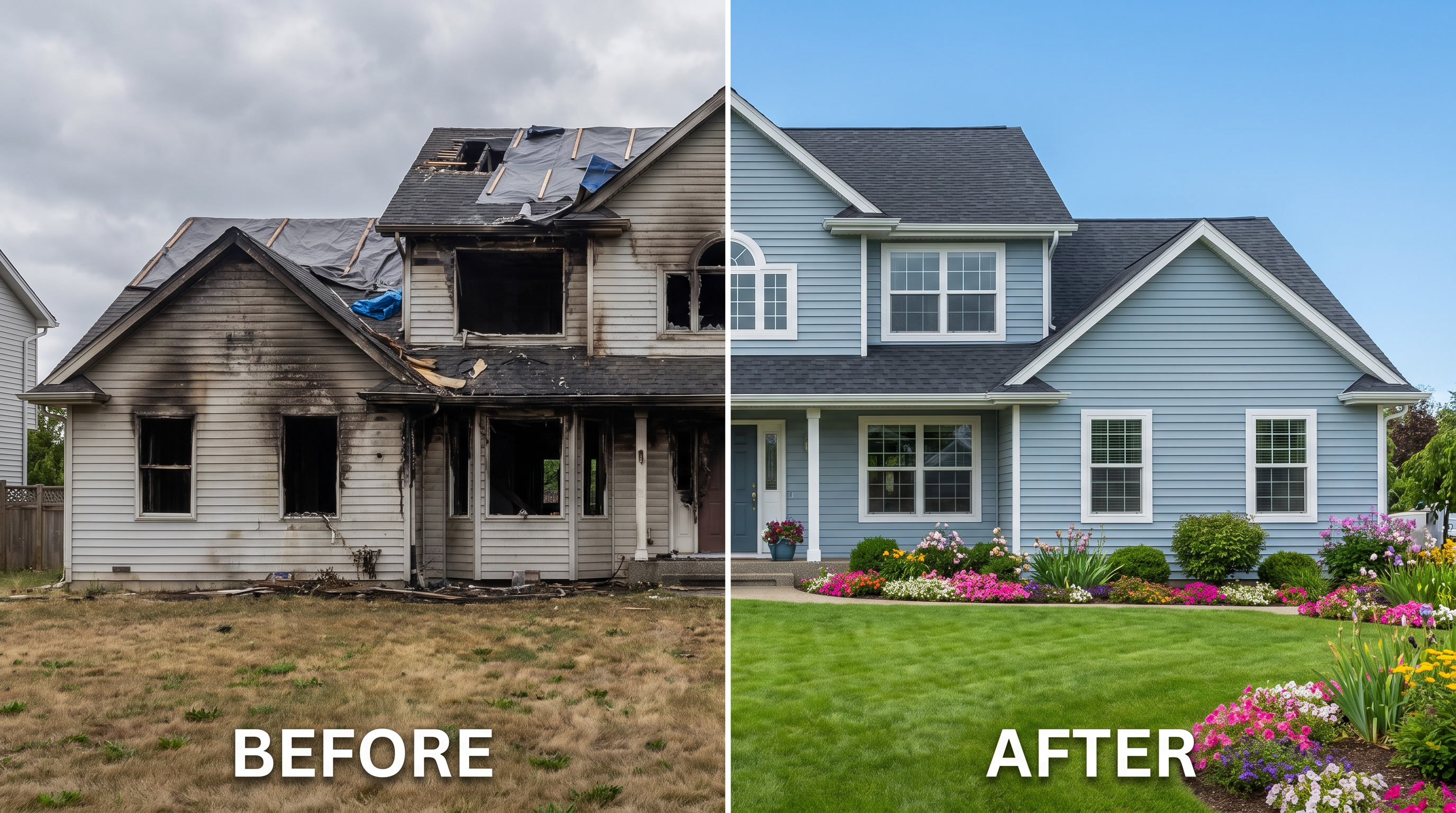
Cherry Hill board-up & tarping specialists
Secure the property after the fire
Open windows, roof cuts, and broken doors need protection before weather adds more damage.
Cherry Hill board-up & tarping specialists
Open windows, roof cuts, and broken doors need protection before weather adds more damage.
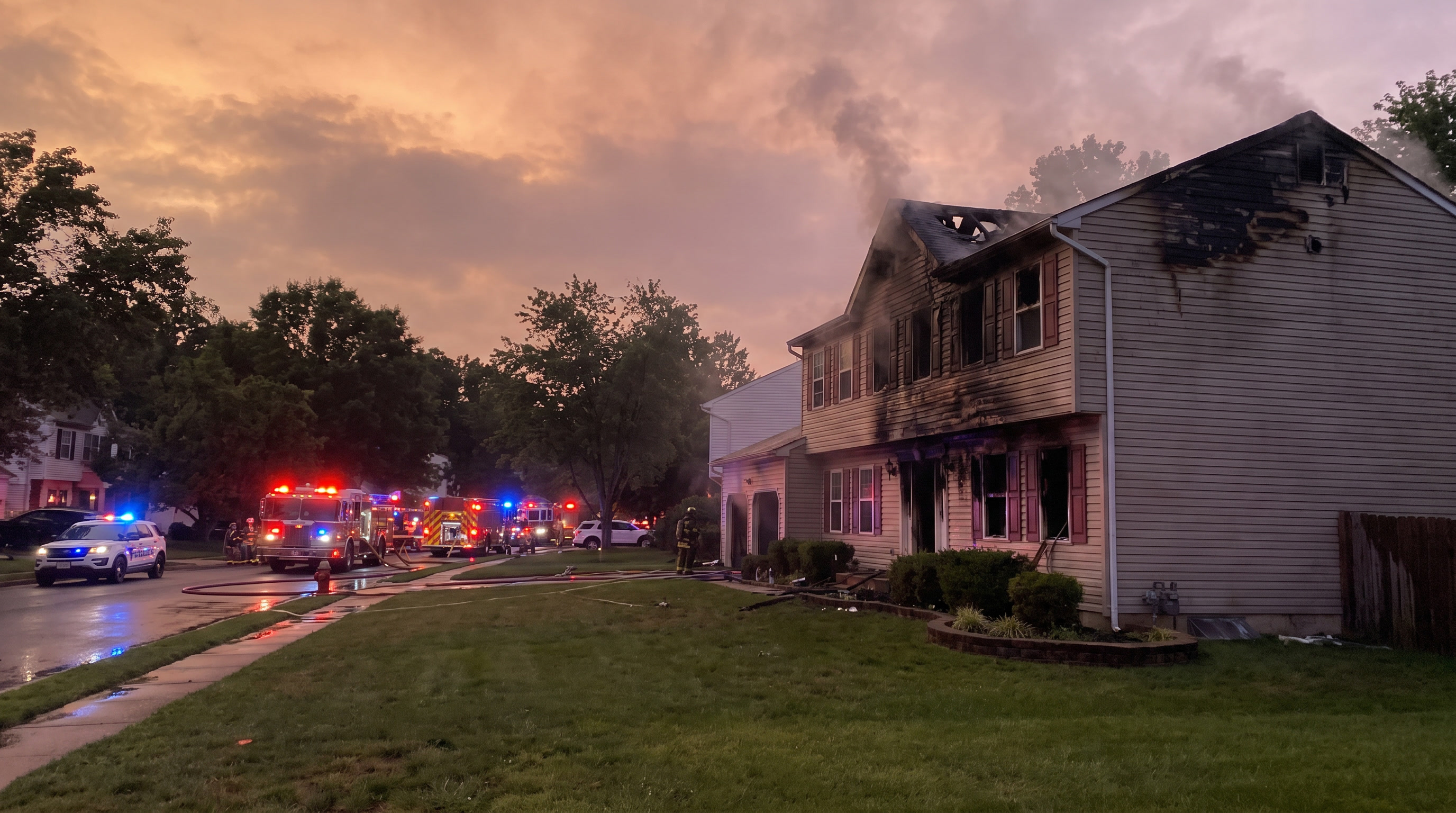
Once firefighters leave, the house may have broken windows, forced doors, roof cuts, burned siding, exposed framing, and wet interiors. Board-up and tarping keep rain, wind, trespass, and pests from making the loss worse while the claim process begins.
Cherry Hill weather can turn an open structure into a second loss. Heavy rain can soak insulation and floors. Winter cold can freeze plumbing in a displaced home. Wind can lift a loose tarp or push water under damaged roof edges.
Emergency stabilization is often covered as part of the fire claim because the homeowner has a duty to protect the property from more damage. A contractor should document the openings, install secure materials, and preserve evidence before larger cleanup starts.
The work should fit the house. A ranch with a burned kitchen vent needs a different approach than a two-story colonial with roof ventilation cuts or a split-level with broken basement windows.
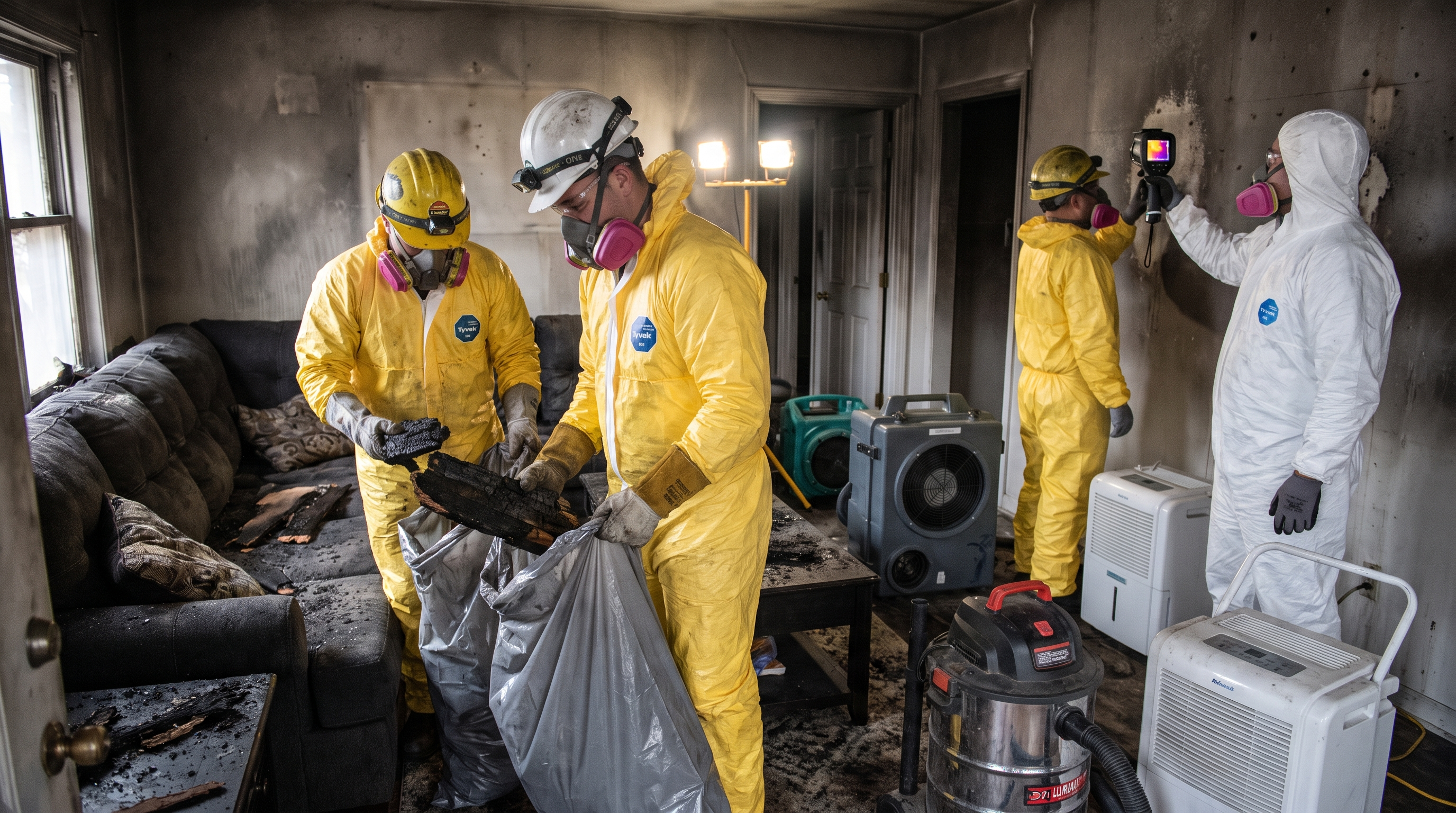
Stabilization protects openings and exposed materials until the full restoration scope is ready.
Broken windows, damaged entries, and open garage areas are secured with fitted board materials. The goal is to keep the property protected without causing avoidable damage to trim or masonry.
Roof openings, ventilation cuts, and burned sections are covered to reduce rain entry. The tarp setup should account for slope, wind, drainage, and remaining roof condition.
Before and after photos show why stabilization was needed and what work was done. That record supports the claim and helps the adjuster understand the emergency service.
The contractor match starts with securing the structure, not waiting for the rest of the claim to be sorted out. That helps reduce avoidable secondary damage.
Board-up and tarping should come with photos, opening notes, and a clear reason for each emergency measure. The record matters when the carrier reviews the claim.
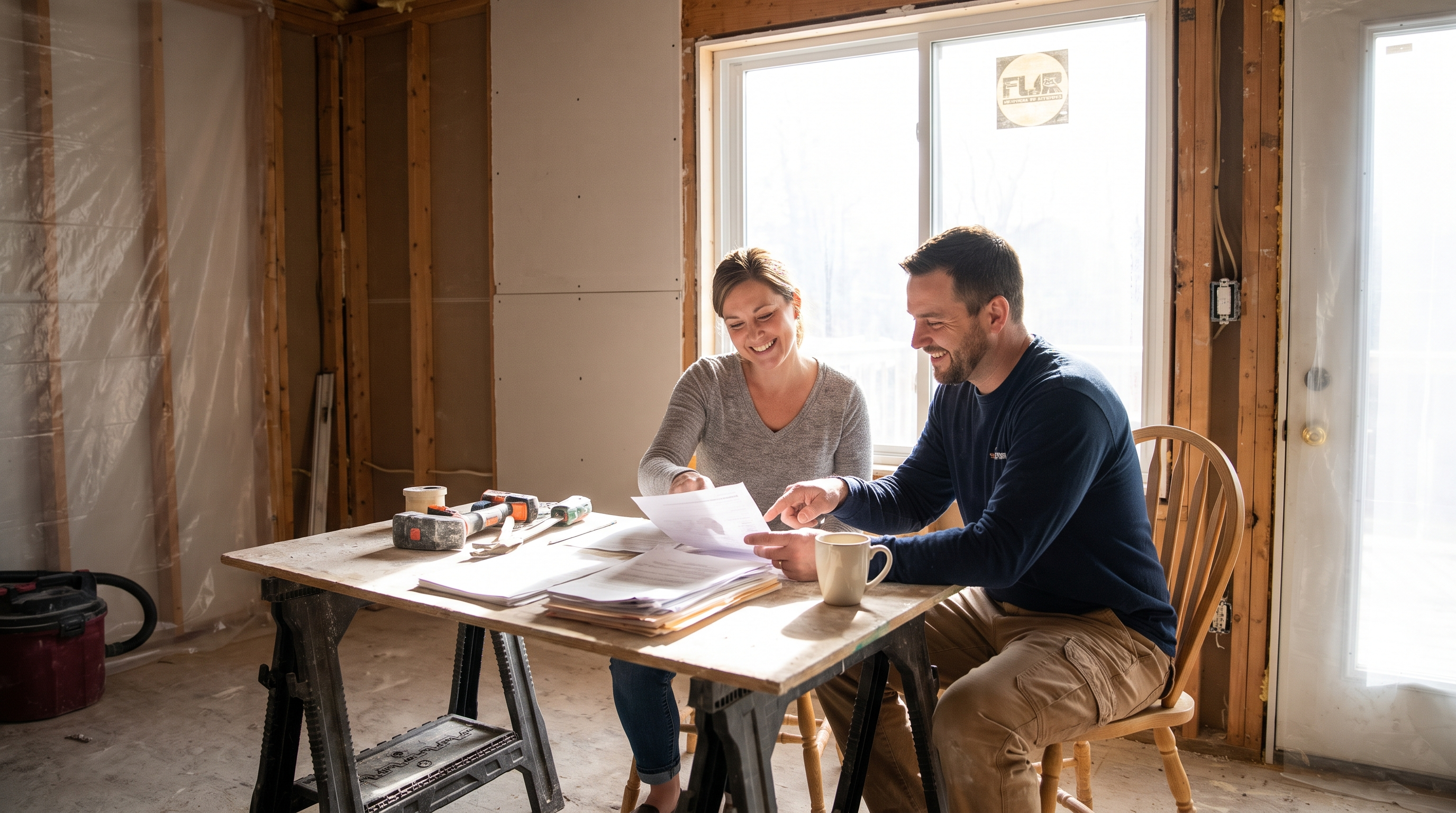
Protect the structure before the next rain or cold night.
Free — no obligations
The contractor checks windows, doors, roof cuts, siding gaps, garage openings, and exposed interior areas.
Damage and access points are photographed before emergency materials are installed.
Openings are secured and roof areas are covered with materials suited to the size, location, and weather exposure.
The contractor confirms the property is protected enough for assessment, cleanup, and adjuster review to continue.