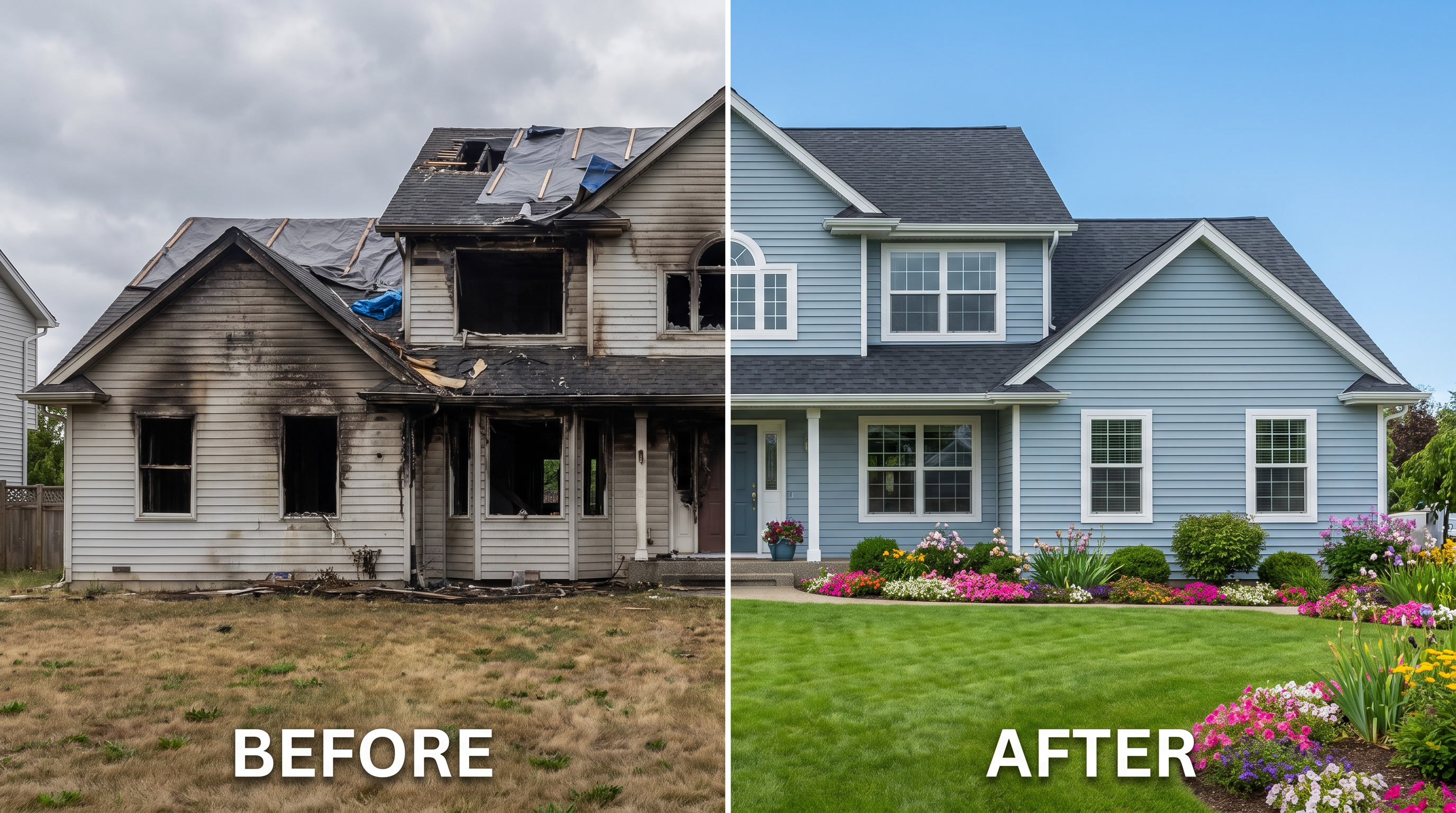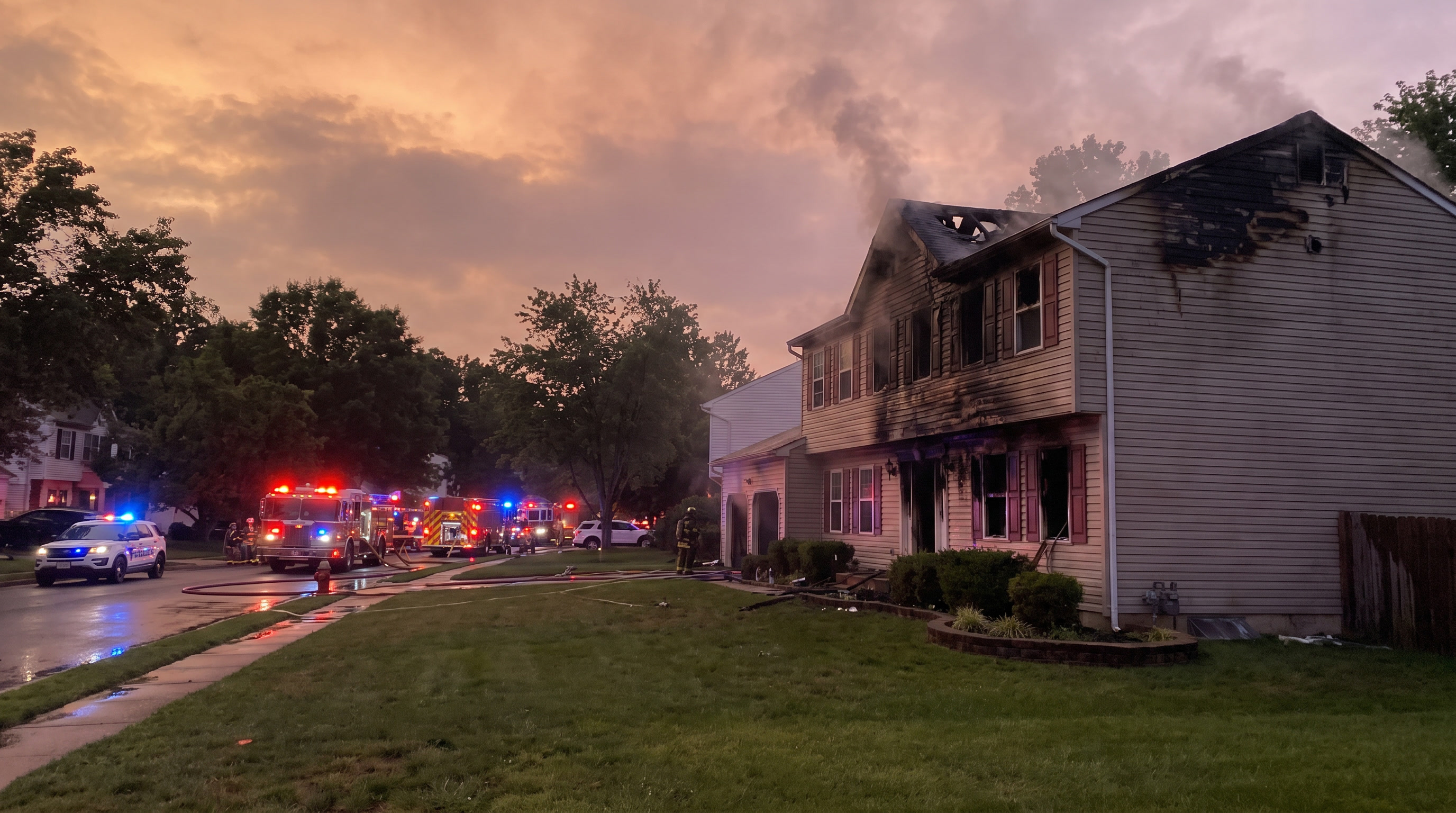
Cherry Hill fire damage assessment specialists
Clear fire assessments before repairs start
Get the damage documented before cleanup removes evidence your claim may need.
Cherry Hill fire damage assessment specialists
Get the damage documented before cleanup removes evidence your claim may need.
The first assessment after a fire decides what gets repaired, what gets cleaned, and what the carrier sees in the claim file. In Cherry Hill, that inspection has to account for older wiring, masonry, forced-air HVAC, attics, crawlspaces, and the water used to put the fire out.
A contractor should inspect the fire origin, char depth, smoke staining, soot type, odor path, wet materials, electrical components, roof openings, and any contents affected by smoke. The work is not limited to the burned room. Smoke travels through return ducts, open framing, stairwells, and ceiling voids.
Insurance adjusters use estimating software, but the first estimate can miss hidden damage. A fire damage assessment gives the contractor a photo record, moisture readings, room by room notes, and a repair outline that can support a supplement if the carrier scope comes up short.
Cherry Hill homeowners also need the timeline handled with care. NJ carriers must respond within 30 days, so the assessment should be organized enough for State Farm, Allstate, NJM, Selective, or another carrier to review without weeks of back-and-forth.
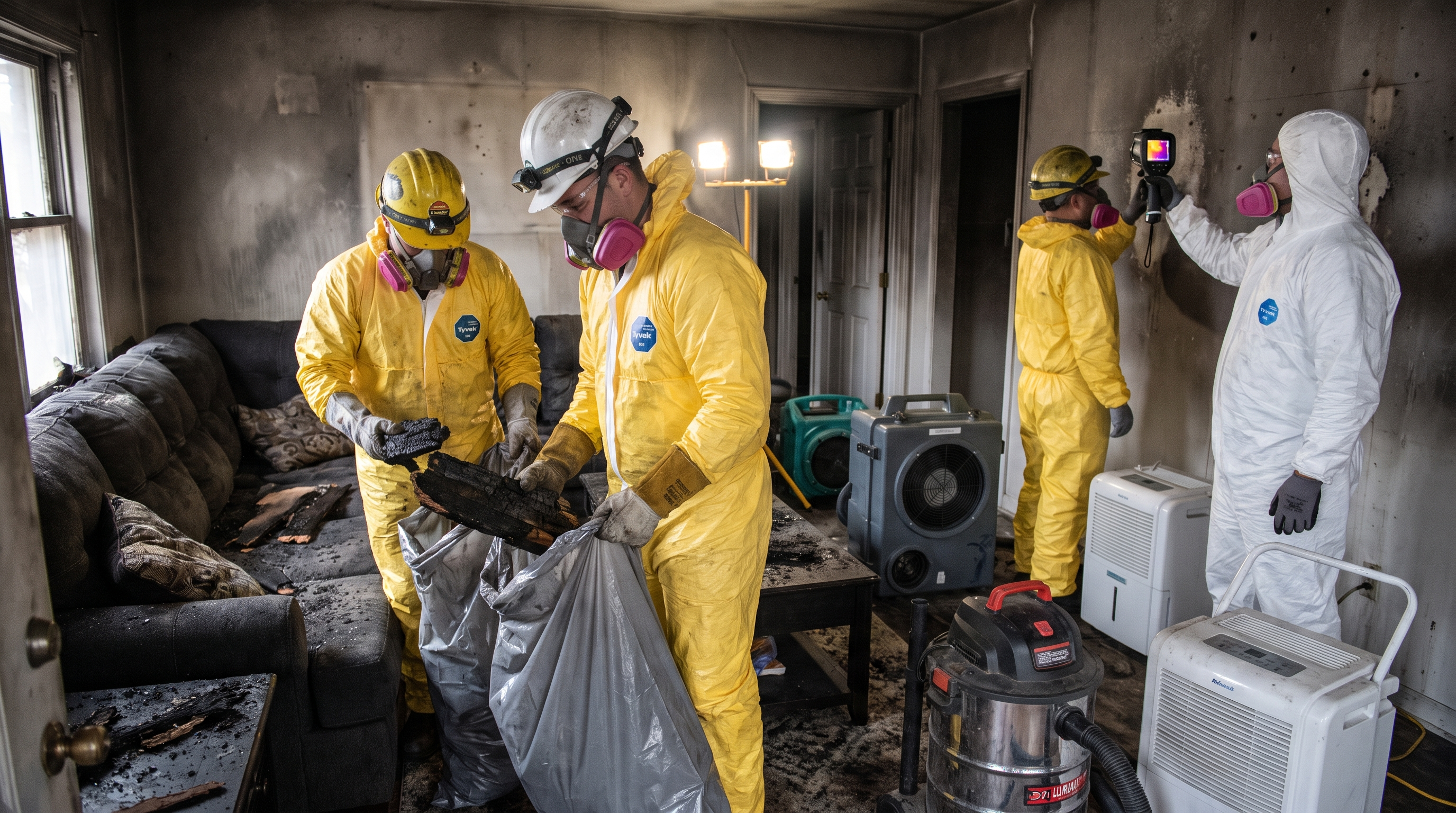
The assessment documents visible damage and the hidden paths that smoke, soot, and water take through a home.
The contractor checks char, framing, drywall, plaster, flooring, roof openings, and any structural areas touched by heat. Older Cherry Hill homes may need extra attention around panels, wiring runs, and attic framing.
Rooms away from the flame source get checked for soot residue, odor, and HVAC movement. The assessment notes whether dry soot, greasy soot, or protein smoke residue is present because each one cleans in a different way.
Firefighting water can soak insulation, subfloors, cabinets, and finished basements. Contents should be photographed and inventoried before disposal so the personal property portion of the claim has a record.
The contractor match focuses on photo records, room notes, and itemized damage categories instead of a quick walk-through. That matters when a Camden County claim needs a supplement.
Assessments account for split-level layouts, 1960s to 1980s systems, older masonry, and HVAC units that may carry smoke after the fire room is cleaned.

Get the assessment started before cleanup changes the scene.
Free — no obligations
The contractor confirms the property has been cleared for entry and identifies open roofs, broken windows, electrical hazards, and areas that need board-up.
Each affected room is checked for flame damage, smoke residue, odor, water, damaged contents, and HVAC spread.
Photos, notes, moisture readings, and damage categories are organized so the homeowner can share a clear scope with the adjuster.
The contractor explains what should be stabilized, cleaned, dried, removed, restored, or supplemented before repair work starts.