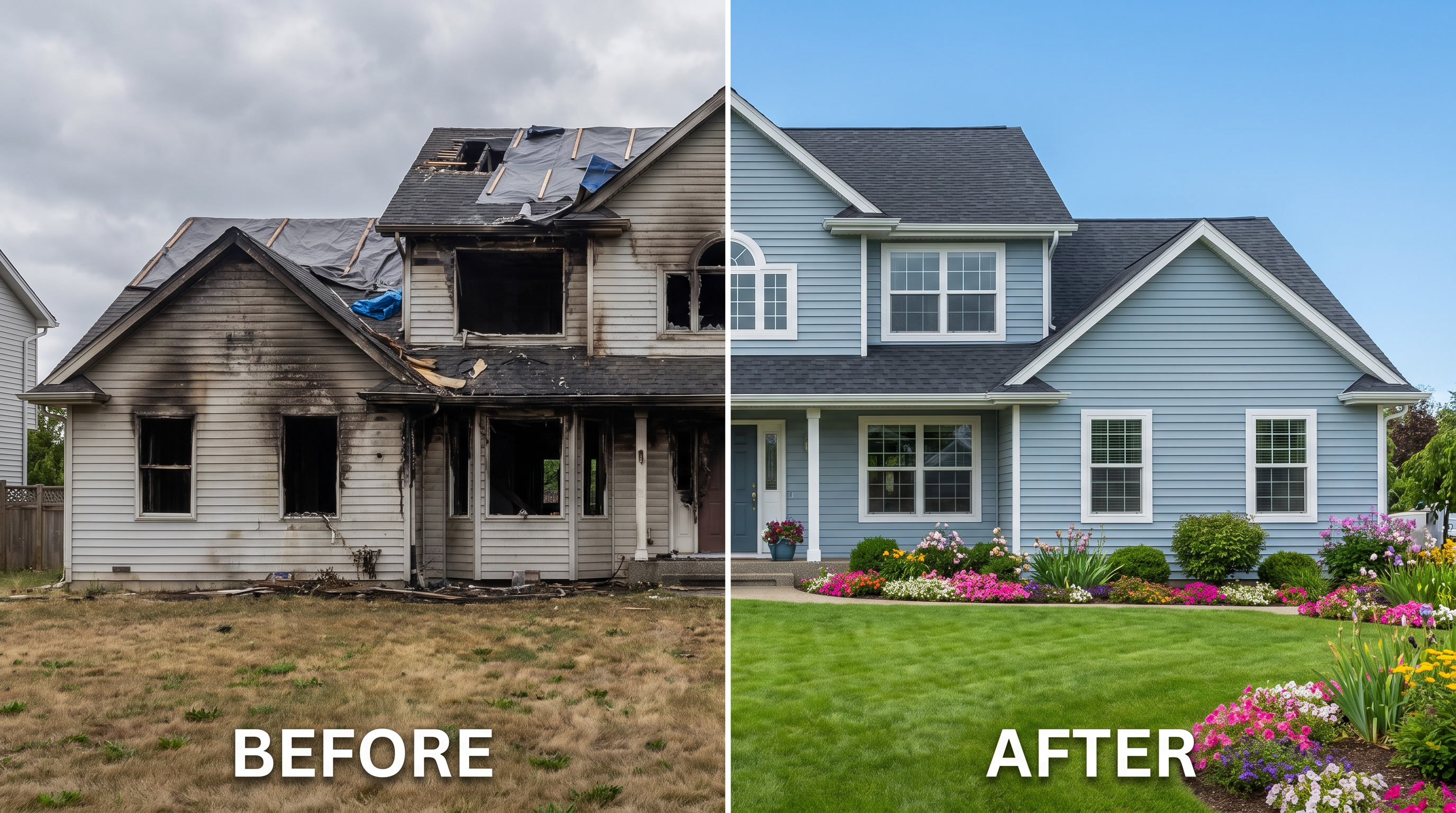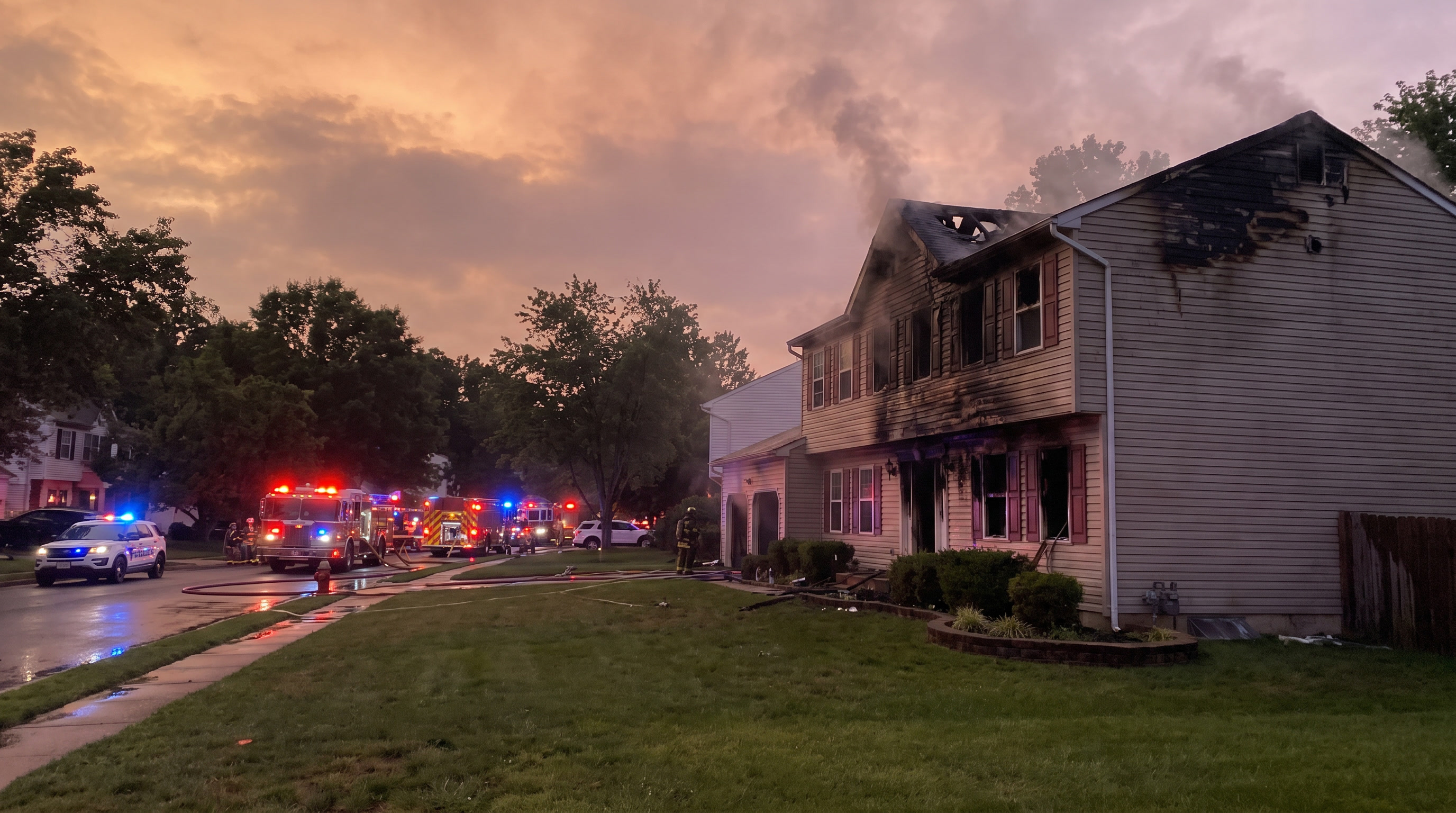
Cherry Hill odor elimination specialists
Remove smoke odor at the source
Smoke odor returns when contaminated materials stay hidden behind paint or drywall.
Cherry Hill odor elimination specialists
Smoke odor returns when contaminated materials stay hidden behind paint or drywall.
Smoke odor can stay in a Cherry Hill home long after the black soot is gone. It gets into return ducts, attic insulation, unfinished basements, brick mortar, cabinet boxes, carpet padding, and contents. Warm weather or a running HVAC system can bring the smell back months later.
Odor elimination starts by finding the source. A contractor should decide what can be cleaned, what needs sealed, and what needs removed. Sprays and fragrance mask the problem if soot remains in porous materials or the duct system.
Different fires create different odor problems. Protein smoke from a kitchen fire can cling to cabinets and appliances with little visible staining. Electrical and plastic fires can leave sharp odors in drywall, wiring areas, and HVAC components. A smoky fireplace incident can load masonry with residue.
Cherry Hill homes with older air handlers may need duct cleaning, blower cleaning, or replacement of contaminated parts. In some claims, HVAC replacement is part of the scope because the system keeps carrying odor through the house.
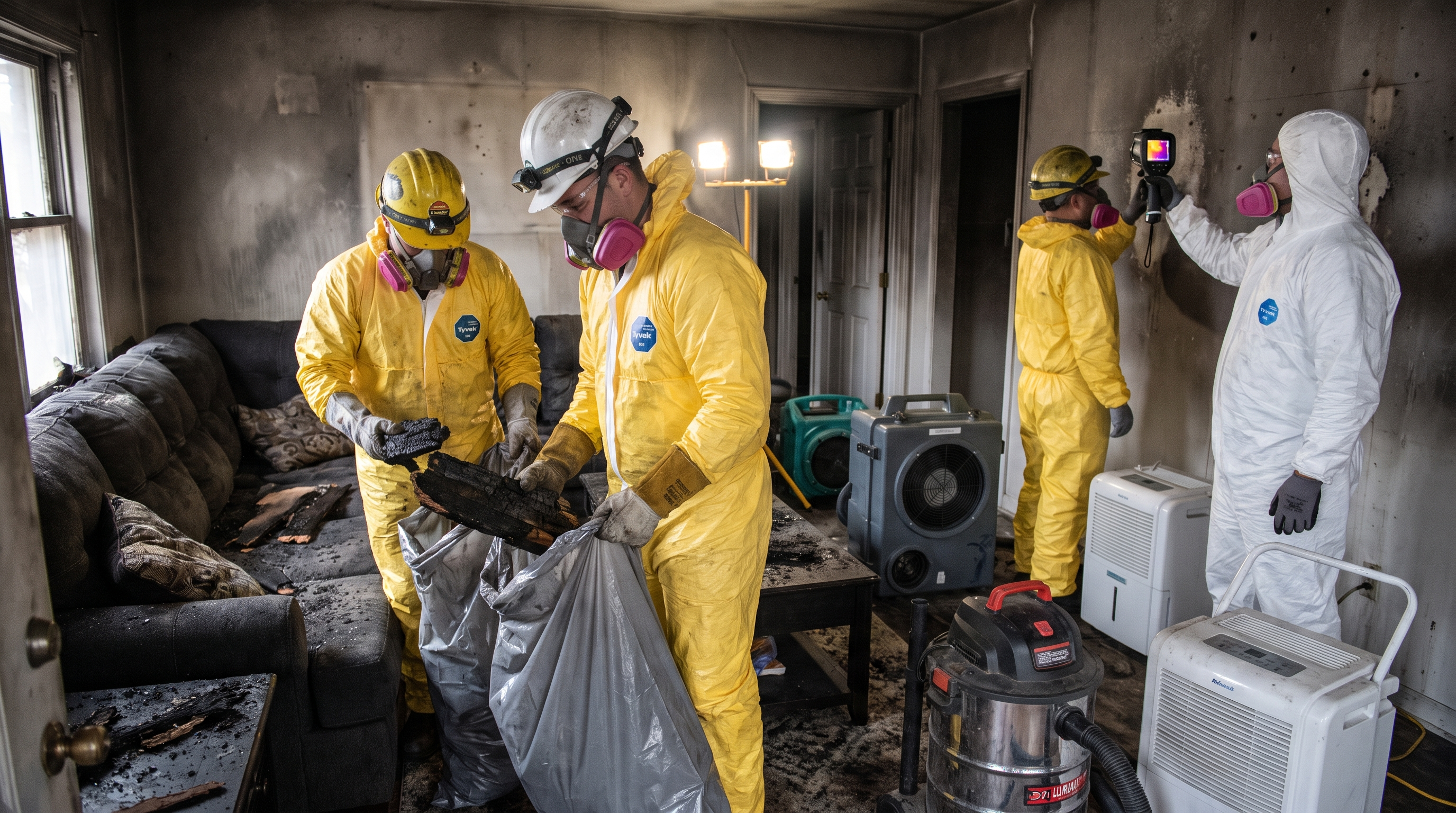
Odor work combines cleaning, removal, treatment, and sealing based on the source of the smoke.
The contractor follows odor through rooms, HVAC paths, wall cavities, attic spaces, and contents. Treatment works best when the contaminated material is found first.
Depending on the space and materials, the contractor may use hydroxyl generators, ozone, thermal fogging, duct cleaning, or specialty cleaning. Occupancy and safety rules control which method fits the home.
Some charred or smoke-stained structural materials need sealing after cleaning. Encapsulation should happen after loose soot and odor sources are addressed.
The contractor match focuses on removing contaminated materials and treating air paths. Fragrance alone has no place in a serious fire claim.
Older Cherry Hill systems can keep moving odor after surface cleaning. The contractor checks the equipment before the home is called finished.

If the house still smells smoky, the source has not been handled.
Free — no obligations
The contractor checks affected rooms, air returns, attics, basements, contents, and porous building materials.
Soot, debris, contaminated insulation, damaged contents, and unsalvageable materials are cleaned or removed before treatment.
The contractor applies the right odor process for the building conditions, materials, and occupancy status.
Odor is reviewed before closing walls, painting, or returning contents so the smell is not sealed inside the home.